Showing posts with label Life. Show all posts

Thursday, 20 April 2023

Stress-free Life Tips

Stress-free Life Tips

How to live stressless life?

Living a completely stress-free life is impossible because some amount of stress is a natural part of life. However, you can certainly take steps to minimize your stress levels and improve your overall quality of life. Here are some tips to help you live a more stress-free life:


Prioritize self-care: Make time for activities that make you feel happy and relaxed, such as exercise, meditation, or spending time with loved ones.

Practice good time management: Create a schedule and stick to it, but also leave room for unexpected events or emergencies.


Learn to say no: It's okay to decline invitations or commitments that will add more stress to your life.

Stay organized: Keeping your surroundings and tasks organized can help reduce feelings of overwhelm and anxiety.


Get enough sleep: Aim for 7-8 hours of sleep each night to ensure your body and mind are well-rested and ready to tackle the day.

Seek support: Don't be afraid to ask for help or seek professional support if you're feeling overwhelmed or stressed.

Remember that everyone experiences stress, and it's important to find strategies that work for you and your lifestyle.


Saturday, 15 April 2023

How to live healthy life?

How to live healthy life?


Living a healthy life involves adopting a holistic approach that encompasses various aspects of well-being, including physical, mental, emotional, and social health. Here are some general guidelines to help you live a healthy life:


Eat a balanced diet: Consume a variety of foods from all food groups, including fruits, vegetables, whole grains, lean proteins, and healthy fats. Avoid processed foods, sugary beverages, and excessive salt and sugar intake. Stay hydrated by drinking plenty of water.


Exercise regularly: Engage in regular physical activity, such as aerobic exercise, strength training, and flexibility exercises. Aim for at least 150 minutes of moderate-intensity aerobic activity or 75 minutes of vigorous-intensity aerobic activity per week.

Get enough sleep: Make sure to get adequate restorative sleep every night. Adults generally need 7-9 hours of sleep per night for optimal health.


Manage stress: Find healthy ways to manage stress, such as practicing relaxation techniques, meditation, yoga, or engaging in activities you enjoy. Chronic stress can negatively impact your overall health and well-being.

Avoid smoking and excessive alcohol consumption: Smoking is a leading cause of many health problems, including cancer, heart disease, and respiratory disorders. Limit your alcohol intake, and avoid binge drinking or excessive alcohol consumption, which can harm your liver, brain, and overall health.


Practice safe sex: If you are sexually active, use protection to prevent sexually transmitted infections (STIs). Practice safe sex and get regular check-ups with your healthcare provider.

Maintain a healthy weight: Keep your body mass index (BMI) within the normal range by following a balanced diet, exercising regularly, and maintaining a healthy lifestyle. Excess weight can increase the risk of various health conditions, including heart disease, diabetes, and joint problems.

Stay mentally and emotionally well: Take care of your mental and emotional health by managing stress, seeking support when needed, and practicing self-care. Engage in activities that promote mental well-being, such as mindfulness, hobbies, and spending time with loved ones.


Stay socially connected: Maintain healthy relationships with family and friends, and engage in social activities that promote a sense of belonging and community. Social connections are essential for overall well-being and can help reduce stress and improve mental health.

Get regular check-ups: Visit your healthcare provider for regular check-ups, screenings, and vaccinations. Early detection and prevention of health problems can help you maintain good health.


Remember that living a healthy life is a lifelong journey, and it's important to make sustainable changes and adopt healthy habits that fit your lifestyle. Consult with healthcare professionals for personalized advice and guidance on maintaining a healthy lifestyle that suits your unique needs and circumstances.


Friday, 14 April 2023

MAHARASHTRA

MAHARASHTRA 

Maharashtra is a state located in the western region of India. It is the second-most populous state in India and has Mumbai, the largest city in India and one of the world's most populous cities, as its capital. Maharashtra is known for its rich history, diverse culture, and contributions to art, literature, and entertainment.


Geographically, Maharashtra has a diverse landscape, ranging from the coastal regions along the Arabian Sea to the Western Ghats mountain range. The state has several rivers, including the Godavari, Krishna, and Tapi, which are important sources of water and provide fertile plains for agriculture.


Maharashtra has a strong economy, with Mumbai being the financial, commercial, and entertainment hub of the country. The state is a major center for industries such as textiles, automotive manufacturing, information technology, and services. Agriculture is also an important sector in Maharashtra, with the state being one of the largest producers of sugarcane, cotton, and fruits in India.


Maharashtra has a diverse population with people from various ethnicities, religions, and languages. Marathi is the official language of the state, and the majority of the population follows Hinduism, although there are significant Muslim, Christian, Buddhist, and Jain communities as well.

The state has a rich cultural heritage, with various traditional art forms, music, dance, and festivals being celebrated throughout the year. Some of the popular tourist destinations in Maharashtra include Mumbai, Ajanta and Ellora Caves, Elephanta Caves, Shirdi, Mahabaleshwar, and Aurangabad, among others.


Maharashtra has made significant contributions to Indian literature, theater, cinema, and music. It is also known for its cuisine, which includes popular dishes such as Vada Pav, Pav Bhaji, Puran Poli, and Bhel Puri, among others.

However, Maharashtra also faces challenges such as urbanization, pollution, water scarcity, and socioeconomic disparities. The state government is working towards addressing these issues and promoting sustainable development in various sectors.


Overall, Maharashtra is a diverse and dynamic state that holds significant importance in India's cultural, economic, and social fabric.


Thursday, 13 April 2023

PUNE- THE HEART OF MAHARASHTRA 

PUNE- THE HEART OF MAHARASHTRA 


Pune is a city in the western state of Maharashtra, India. It is the second largest city in Maharashtra after Mumbai and is often referred to as the "Oxford of the East" due to its educational institutions and rich cultural heritage. Pune has a population of over 3.1 million people and is known for its vibrant history, rich Marathi culture, and pleasant weather.


Pune has a significant historical significance as it was the capital of the Maratha Empire in the 18th century and played a pivotal role in India's struggle for independence. The city has numerous historical landmarks and attractions, such as the Aga Khan Palace, Shaniwar Wada, Sinhagad Fort, and Pataleshwar Cave Temple, which attract tourists and history enthusiasts.


Pune is also a major educational hub in India, with numerous prestigious educational institutions, including the University of Pune, Indian Institute of Science Education and Research (IISER), National Institute of Construction Management and Research (NICMAR), and College of Engineering, Pune (COEP), among others.


The city is known for its vibrant cultural scene, with traditional music, dance, and art forms being preserved and promoted. Pune is also home to several festivals, such as Ganesh Chaturthi, Diwali, and Pune International Film Festival (PIFF), which add to its cultural richness.


Pune has a growing IT and technology industry, with several multinational corporations, startups, and research institutes having their presence in the city. It is also known for its automobile and manufacturing industries. Pune has a well-developed transportation system, including local buses, auto-rickshaws, and a metro rail project under construction.


Overall, Pune is a city with a rich history, culture, and educational heritage, making it an important destination for tourists, students, and professionals alike.


Wednesday, 12 April 2023

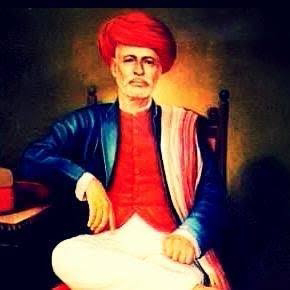
MAHATMA PHULE

Mahatma Jyotirao Govindrao Phule

Mahatma Jyotirao Govindrao Phule, commonly known as Mahatma Phule, was a social reformer, thinker, and activist from India who lived during the 19th century. He is considered a pioneer of social reform in India, particularly in the state of Maharashtra. Here's some information about Mahatma Phule:


Early Life: Mahatma Phule was born on April 11, 1827, in a small village called Katgun in present-day Maharashtra, India. He belonged to the Mali community, which was considered a lower-caste group during that time. Despite facing social discrimination and oppression, Mahatma Phule showed an early aptitude for learning and received an English education, which was uncommon for people from his background during that era.


Social Reforms: Mahatma Phule was a social reformer who focused on addressing social inequalities, caste discrimination, and women's rights. He was a vocal critic of the caste system and worked towards promoting the rights and welfare of lower-caste communities. He advocated for education and empowerment of women and was one of the first proponents of women's education in India. He also worked towards eradicating social evils like untouchability, child marriage, and the oppressive practices prevalent in the society of his time.

Writings and Activism: Mahatma Phule was a prolific writer and used his writings as a means to spread his message of social reform. He authored several books, including "Gulamgiri" (Slavery), "Shetkarayacha Aasud" (The Cultivator's Whip), and "Satyashodhak Samajanche Nibandh" (Essays of the Truth-Seeker Society), which challenged the prevailing social norms and criticized the Brahmanical hegemony in Indian society. He also founded the Satyashodhak Samaj (Society of Truth Seekers), a social organization that aimed to promote social equality and justice.


Legacy: Mahatma Phule's contributions to social reform and his emphasis on education, women's empowerment, and equality have had a lasting impact in India. He is regarded as one of the founding fathers of the social reform movement in India and is often remembered as a champion of the rights of marginalized communities. His ideas and teachings continue to inspire social activists and reformers to this day.

In conclusion, Mahatma Jyotirao Govindrao Phule was a visionary social reformer who dedicated his life to fighting social inequalities, caste discrimination, and advocating for women's rights. His writings, activism, and teachings have had a significant impact on Indian society, and he is remembered as a prominent figure in the history of social reform movements in India.


Monday, 10 April 2023

What is Life?

What is Life?

Life is a complex and diverse phenomenon that refers to the state of being alive, exhibiting the characteristic properties of living organisms. Life is generally characterized by several key features, including:

Cellular organization: Life is composed of one or more cells, which are the basic structural and functional units of living organisms. Cells are highly organized and can carry out various processes necessary for life, such as metabolism, growth, and reproduction.


Metabolism: Life processes involve the transformation of energy and matter through metabolism. Organisms take in energy and nutrients from their environment and use them to carry out essential processes, such as obtaining energy for growth, repair, and reproduction.

Homeostasis: Life maintains a stable internal environment through the process of homeostasis. Living organisms regulate their internal conditions, such as temperature, pH, and water balance, to keep them within a narrow range conducive to life.


Growth and development: Life involves the ability to grow and develop, which includes increasing in size, complexity, and functionality over time. Growth and development are fundamental characteristics of living organisms and are driven by genetic information encoded in their DNA.

Reproduction: Life has the ability to reproduce, which allows for the continuation of the species. Reproduction can occur through sexual or asexual means, and it results in offspring with genetic information inherited from their parents.


Response to stimuli: Life can respond to stimuli from the environment, such as light, temperature, and touch. This allows living organisms to adapt and interact with their surroundings to meet their survival needs.

Evolution: Life is subject to evolutionary processes, where populations of living organisms change over time through genetic mutations, natural selection, and other mechanisms. Evolution drives the diversity and complexity of life on Earth.


Life exists in various forms, from microorganisms like bacteria to complex multicellular organisms like plants, animals, and humans. The study of life, known as biology, seeks to understand the fundamental principles that govern living organisms and their interactions with the environment. However, the question of what exactly constitutes life, and how it originated, remains a topic of ongoing scientific investigation and philosophical inquiry.


Sunday, 9 April 2023

Destiny

Fate vs. Free Will

Destiny

Destiny generally refers to the belief or concept that events, outcomes, or the course of one's life are predetermined or predestined by some external force or power. It often implies that there is a higher power or fate that guides or controls the future, and that the choices and actions of individuals are influenced or determined by this external force.


Destiny can have different meanings in various cultural, philosophical, and religious contexts. For some, it may refer to a predetermined path or purpose in life that one is meant to follow. It can also be interpreted as a sequence of events or circumstances that are believed to be inevitable and beyond one's control.


In some religious or spiritual beliefs, destiny may be seen as the result of divine will or the workings of a higher power. For example, in predestination doctrines in certain branches of Christianity, it is believed that an individual's fate, including their salvation or damnation, is predetermined by God.


On the other hand, some people may reject the notion of destiny altogether, believing that individuals have free will and the ability to shape their own lives through their choices and actions. They may see life as a series of random events or the result of their own decisions and efforts, rather than being predetermined by any external force.


In popular culture, the concept of destiny is often portrayed in literature, films, and other art forms, exploring themes of fate, purpose, and the human condition. It can be a source of inspiration, reflection, and contemplation, as individuals ponder their place in the world and the role of destiny in their lives.


What is Karma?

Understanding Karma Beliefs

What is KARMA?

Karma is a concept that originated from Indian religions and philosophies, such as Hinduism, Buddhism, and Jainism. It refers to the idea of cause and effect, where one's actions and intentions in the present or past life shape their future experiences or circumstances. In other words, karma is the belief that one's actions, whether positive or negative, have consequences that affect their life and well-being.


According to the concept of karma, every action or intention, good or bad, creates an imprint on the individual's soul or consciousness, and these imprints accumulate over time. The consequences of these imprints may be experienced in the current life or in future lives, depending on the belief system. Good actions or intentions are believed to lead to positive consequences, while bad actions or intentions may result in negative consequences.


Karma is often seen as a moral law or cosmic justice that governs the cycle of birth, death, and rebirth (reincarnation) in many Eastern religions. It is also sometimes interpreted as a way to explain why people experience different situations or circumstances in life, such as wealth, health, or suffering, based on their past actions or intentions.


It's important to note that interpretations and beliefs about karma may vary among different cultures, religions, and philosophical systems. Some see it as a strict cause-and-effect mechanism, while others see it as a guiding principle for ethical behavior or a means to attain spiritual liberation. It is a complex concept with diverse interpretations and applications in different spiritual and philosophical traditions.


Saturday, 8 April 2023

Great Leader Principles


Great Leader Principles

Being a great leader requires a combination of skills, qualities, and behaviors that inspire and motivate others to achieve common goals. Here are some key principles that can help you become a great leader:

Lead by example: A great leader sets a positive example by consistently demonstrating the behaviors and values they expect from their team. They lead with integrity, professionalism, and authenticity, and are willing to roll up their sleeves and work alongside their team members.


Communicate effectively: Communication is crucial in leadership. A great leader actively listens to their team, provides clear and concise instructions, gives constructive feedback, and keeps their team informed about goals, expectations, and progress. They are approachable and open to feedback, and they foster a culture of open communication.

Inspire and motivate: A great leader inspires and motivates their team by setting a compelling vision, setting challenging goals, and celebrating successes. They recognize and appreciate the contributions of their team members, and provide opportunities for growth and development. They also lead with positivity and optimism, even in challenging situations.


Build and empower a high-performing team: A great leader understands the strengths and weaknesses of their team members and leverages them effectively. They delegate responsibilities, trust their team to perform, and provide the necessary resources and support for success. They also foster a collaborative and inclusive team culture, where diverse perspectives are valued and contributions are recognized.

Make tough decisions: Leadership often requires making difficult decisions that may not be popular. A great leader is willing to make tough choices based on careful consideration of facts, data, and input from their team. They take responsibility for their decisions and learn from both successes and failures.


Develop emotional intelligence: Great leaders possess emotional intelligence, which includes self-awareness, self-regulation, empathy, and social skills. They are able to manage their own emotions and understand the emotions of others, which allows them to build strong relationships and effectively manage conflicts and challenges.

Continuously learn and improve: Leadership is a journey of continuous learning and improvement. A great leader seeks feedback, reflects on their performance, and actively seeks opportunities for growth and development. They stay updated with industry trends and best practices, and are open to new ideas and perspectives.

Practice inclusivity and diversity: A great leader fosters inclusivity and diversity within their team and organization. They value and respect differences among team members, create a safe and inclusive environment where everyone feels heard and valued, and actively promote diversity in hiring, promotions, and decision-making.

Display resilience and adaptability: Leadership often comes with challenges, setbacks, and uncertainties. A great leader displays resilience by staying composed under pressure, adapting to change, and finding solutions to problems. They maintain a positive attitude and persevere through difficulties, inspiring their team to do the same.


Foster a positive organizational culture: Finally, a great leader is mindful of the organizational culture they create. They establish a culture that promotes trust, accountability, transparency, innovation, and continuous improvement. They set the tone for the team and organization, and lead by example in promoting a positive work environment.

Remember, leadership is a journey and requires continuous effort and self-reflection. By incorporating these principles into your leadership style, you can strive to become a great leader who inspires and empowers others to achieve their best potential.


How to stay always self motivated?

How to stay always self motivated?

Staying self-motivated can be challenging, but with the right mindset and strategies, you can develop habits that help you maintain motivation. Here are some tips on how to stay self-motivated:


Set clear goals: Define what you want to achieve and set clear, achievable goals. Write them down and revisit them regularly to keep yourself focused and motivated.

Find your "why": Understand the underlying reasons why you want to achieve your goals. Identify your motivations, passions, and values that drive you. When you have a strong sense of purpose, it becomes easier to stay motivated.


Break tasks into smaller steps: Large tasks can feel overwhelming and demotivating. Break them down into smaller, manageable steps that you can accomplish one by one. Celebrate your progress along the way, which can boost your motivation.

Create a routine: Establish a daily or weekly routine that includes time for your goals. Make it a habit to work consistently towards your goals, even when you don't feel motivated. Motivation often follows action, so taking consistent steps can help you stay motivated.


Surround yourself with positive influences: Surround yourself with people who support and encourage your goals. Avoid negative influences that can drain your motivation. Engage in activities and consume content that inspires and motivates you.

Embrace failure as a learning opportunity: Failure is a natural part of the journey towards success. Instead of getting discouraged by failures, see them as opportunities to learn and improve. Adjust your approach, learn from your mistakes, and keep moving forward.

Practice self-care: Taking care of your physical and mental well-being is crucial for maintaining motivation. Get enough sleep, eat healthy, exercise regularly, and take breaks when you need them. A healthy body and mind are better equipped to stay motivated.

Visualize success: Visualize yourself achieving your goals and experiencing the benefits of your hard work. Create a vision board, use affirmations, or practice visualization exercises to keep yourself motivated and focused on the positive outcomes.


Track your progress: Keep track of your progress towards your goals. Celebrate your achievements, no matter how small they may seem. Seeing your progress can boost your motivation and give you a sense of accomplishment.

Stay flexible and adaptable: Life can throw unexpected challenges and setbacks your way. Stay flexible and adaptable in your approach. Be willing to adjust your plans as needed, but never lose sight of your goals.

Remember that self-motivation is a skill that takes practice and effort. It's normal to have ups and downs, but with perseverance and determination, you can stay self-motivated and achieve your goals.


Thursday, 6 April 2023

How to increase the views on blogspot?

How to increase the views on blogspot?

There are several strategies you can use to increase views on your Blogspot blog. Here are some tips:

Create high-quality and engaging content: Content is king. Make sure your blog posts are well-written, informative, and engaging. Provide value to your readers by offering unique perspectives, actionable advice, and compelling stories.


Optimize your blog for search engines: Use relevant keywords in your blog post titles, headings, and throughout the content to improve your blog's visibility in search engine results. This can help drive organic traffic to your blog.

Share your blog posts on social media: Promote your blog posts on your social media accounts to reach a wider audience. Share teasers, snippets, or images from your blog posts to entice readers to click through and read the full article.


Interact with your readers: Respond to comments on your blog posts and engage with your readers on social media. Building a community around your blog can encourage readers to return and share your content with others.

Guest post on other blogs: Collaborate with other bloggers in your niche by guest posting on their blogs. This can help you reach a new audience and drive traffic back to your own blog.


Utilize blog directories and blog promotion websites: Submit your blog to blog directories and blog promotion websites to increase its visibility and reach more readers.

Use visually appealing images: Use high-quality images that are relevant to your blog posts to make them more visually appealing and shareable on social media.

Optimize your blog's loading speed: Make sure your blog loads quickly to provide a smooth user experience for your readers. Slow loading times can result in higher bounce rates and lower engagement.

Use email marketing: Build an email list of your blog readers and send them newsletters or updates about your latest blog posts. This can help drive traffic to your blog and keep your readers engaged.


Participate in blogging communities: Join blogging communities, such as blog commenting groups or forums, and actively participate by leaving thoughtful comments on other blogs in your niche. This can help you build relationships with other bloggers and drive traffic back to your blog.

Remember that increasing views on your Blogspot blog takes time and effort. Consistently creating high-quality content, promoting your blog on various platforms, and engaging with your audience can help you grow your blog's views over time.


Mental Health

MENTAL HEALTH 

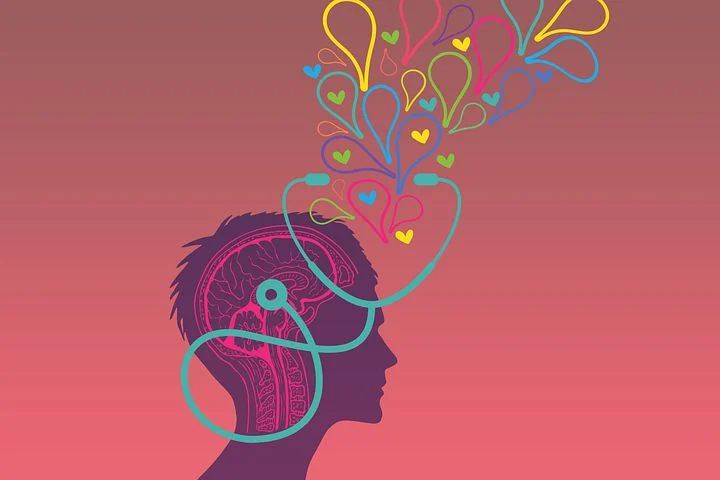
Mental health refers to the psychological, emotional, and social well-being of an individual. It encompasses how we think, feel, and behave, and how we navigate and cope with the challenges and stressors of life. Mental health affects our thoughts, emotions, behaviors, and overall quality of life.
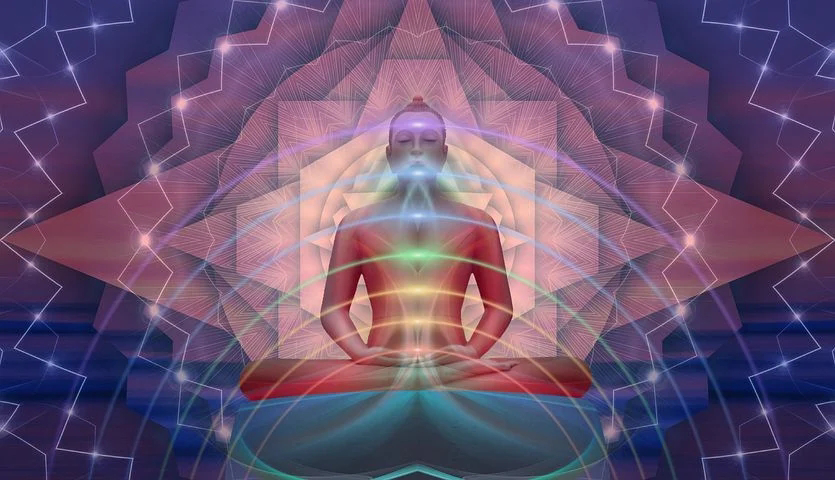

Maintaining good mental health is crucial for our overall well-being and is essential for our daily functioning. Mental health impacts all aspects of our lives, including our relationships, work performance, physical health, and ability to handle stress.


Mental health conditions, also known as mental illnesses or disorders, are medical conditions that affect a person's thinking, feeling, behavior, or mood. Common mental health conditions include anxiety disorders, depression, bipolar disorder, schizophrenia, and many others. These conditions can vary in severity and can impact individuals differently.


It is important to seek help and support if you are experiencing mental health challenges. Mental health professionals, such as psychologists, psychiatrists, counselors, and therapists, can provide assessment, diagnosis, and treatment for mental health conditions. Treatment may include therapy, medication, lifestyle changes, and other supportive interventions.


Taking care of our mental health involves practicing self-care, managing stress, building healthy coping mechanisms, maintaining a supportive social network, and seeking professional help when needed. It is also essential to reduce stigma surrounding mental health and promote awareness and understanding of mental health issues in our communities. Remember, taking care of your mental health is just as important as taking care of your physical health, and seeking help when needed is a sign of strength.


Top 20 Profitable Agribusiness Startup Ideas in India 2025 - Complete Entrepreneurship Guide

Image: Modern Agriculture & Agribusiness Opportunities in India 🌾 India's agriculture sector contributes over 18% to G...

Popular Blogs