Showing posts with label India. Show all posts

Tuesday, 3 December 2024

Revolutionizing Sustainability: How AI and IoT Transform Agriculture in India.

The Future of Sustainability: How AI and Technology Are Reshaping India’s Agriculture

Introduction: The Need for Change  
India, home to over 1.4 billion people, relies heavily on agriculture, which employs 42% of the workforce. Yet, the industry faces challenges like climate change, soil degradation, and inefficient farming methods. The future demands innovative solutions, and Artificial Intelligence (AI) is the game-changer that can lead India toward sustainable agriculture.  


Section 1: The Role of AI in Indian Agriculture  
AI has transformed agriculture globally, and in India, its impact is undeniable.  
1. Precision Farming: With AI-powered tools, farmers can analyze soil health, predict weather patterns, and optimize irrigation.  
2. Smart Crop Monitoring: Drones equipped with AI provide real-time insights into crop health, enabling early detection of diseases and pests.  
3. Market Trends and Forecasts: AI-based apps help farmers predict demand, adjust pricing, and connect with buyers seamlessly.  


Section 2: Success Stories: AI Empowering Indian Farmers 
- Karnataka's Water Crisis Solution: AI analyzed groundwater levels, helping farmers save water and boost crop yields.  
- Punjab’s Smart Soil Project: AI-based tools improved soil health management, increasing crop productivity by 25%.  


Section 3: Challenges and Solutions in Implementing AI  
Challenges:  
- Lack of awareness among small-scale farmers.  
- High initial investment for AI tools.  
- Limited internet connectivity in rural areas.  

Solutions:  
- Government Initiatives: Subsidies and training programs.  
- Public-Private Partnerships: Collaborations with tech giants like Microsoft and IBM.  
- Localized Solutions: Apps in regional languages to improve accessibility.  

AI adoption challenges in India and solutions for sustainable farming in India.

Section 4: How to Bring AI to Every Indian Farm  
1. Affordable AI Solutions: Develop cost-effective tools tailored for small-scale farmers.  
2. Education and Training: Conduct workshops to familiarize farmers with new technologies.  
3. Collaborations: Engage startups and agricultural organizations to create user-friendly platforms.  

Conclusion: A Greener, Smarter Future  
The integration of AI in Indian agriculture isn’t just a possibility—it’s a necessity. By leveraging cutting-edge technology, India can secure food security, boost the economy, and lead the world in sustainable farming.  

Let’s shape a future where every farmer has the tools to thrive. Together, we can turn innovation into action.  

Call to Action  
🌟 Are you ready to embrace the future of farming? Share your thoughts in the comments below!

Keywords:  
- AI in Indian agriculture  
- Smart farming solutions  
- Sustainable farming in India  
- Agricultural innovation in India  
- Future of Indian agriculture  
Sunday, 21 May 2023

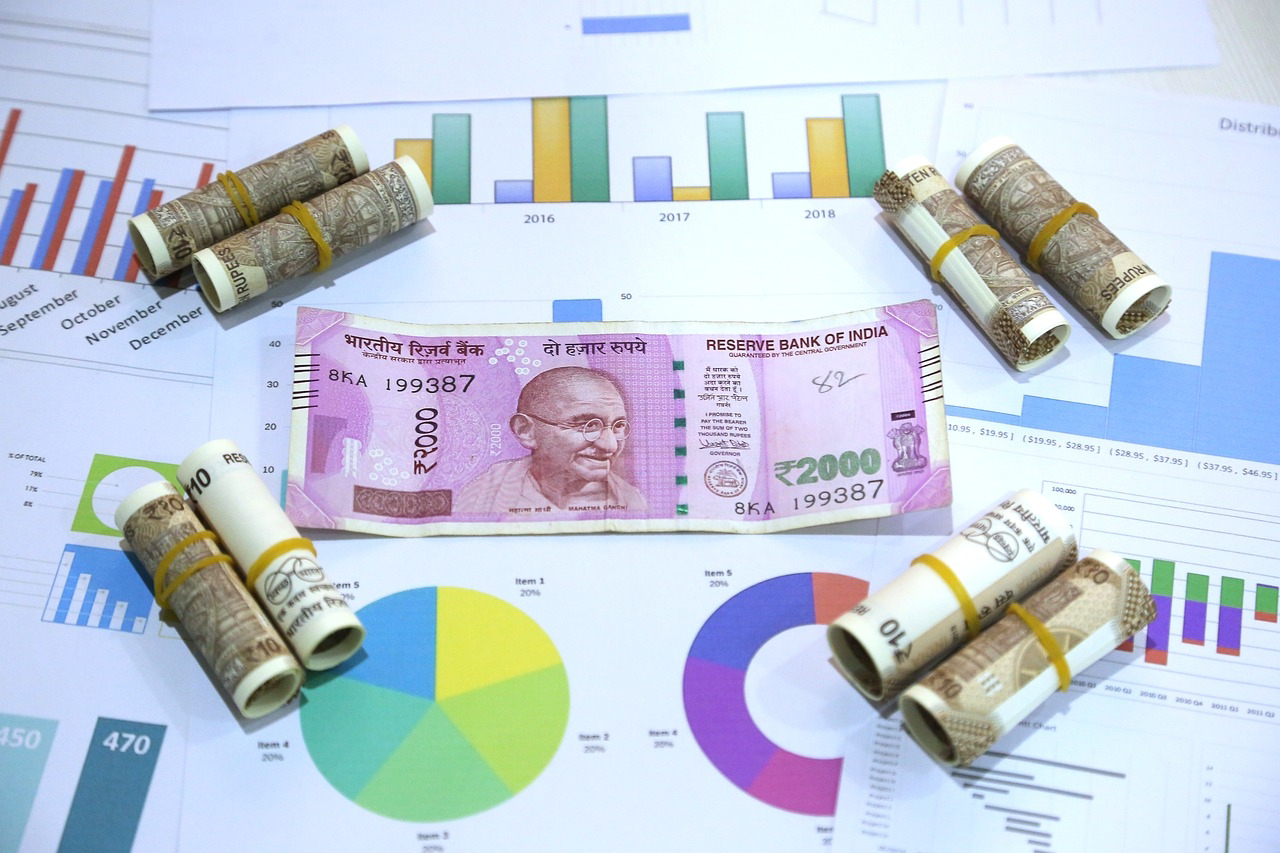
₹2000 Banned in India

The demonetization of 2000 rupee notes in India refers to a significant economic policy implemented by the Government of India on November 8, 2016. The policy was announced by Prime Minister Narendra Modi with the goal of curbing corruption, black money, and counterfeit currency in the Indian economy.


Under this policy, the existing 1000 and 500 rupee notes, which constituted a significant portion of the currency in circulation, were invalidated as legal tender. In their place, new 500 and 2000 rupee notes were introduced. The decision to demonetize these high-value currency notes was taken to disrupt illegal activities, such as tax evasion, money laundering, and the financing of terrorism.

The demonetization move was a sudden and surprise announcement, and it caused significant disruptions and inconvenience to the Indian public. The sudden withdrawal of the 1000 and 500 rupee notes led to long queues at banks and ATMs as people rushed to exchange their old notes for new ones. The limited availability of new currency notes created a temporary cash crunch, affecting various sectors of the economy.


This information available up until September 2021, and there may have been further developments or changes regarding the demonetization policy in India since then.

Friday, 14 April 2023

MAHARASHTRA

MAHARASHTRA 

Maharashtra is a state located in the western region of India. It is the second-most populous state in India and has Mumbai, the largest city in India and one of the world's most populous cities, as its capital. Maharashtra is known for its rich history, diverse culture, and contributions to art, literature, and entertainment.


Geographically, Maharashtra has a diverse landscape, ranging from the coastal regions along the Arabian Sea to the Western Ghats mountain range. The state has several rivers, including the Godavari, Krishna, and Tapi, which are important sources of water and provide fertile plains for agriculture.


Maharashtra has a strong economy, with Mumbai being the financial, commercial, and entertainment hub of the country. The state is a major center for industries such as textiles, automotive manufacturing, information technology, and services. Agriculture is also an important sector in Maharashtra, with the state being one of the largest producers of sugarcane, cotton, and fruits in India.


Maharashtra has a diverse population with people from various ethnicities, religions, and languages. Marathi is the official language of the state, and the majority of the population follows Hinduism, although there are significant Muslim, Christian, Buddhist, and Jain communities as well.

The state has a rich cultural heritage, with various traditional art forms, music, dance, and festivals being celebrated throughout the year. Some of the popular tourist destinations in Maharashtra include Mumbai, Ajanta and Ellora Caves, Elephanta Caves, Shirdi, Mahabaleshwar, and Aurangabad, among others.


Maharashtra has made significant contributions to Indian literature, theater, cinema, and music. It is also known for its cuisine, which includes popular dishes such as Vada Pav, Pav Bhaji, Puran Poli, and Bhel Puri, among others.

However, Maharashtra also faces challenges such as urbanization, pollution, water scarcity, and socioeconomic disparities. The state government is working towards addressing these issues and promoting sustainable development in various sectors.


Overall, Maharashtra is a diverse and dynamic state that holds significant importance in India's cultural, economic, and social fabric.


Thursday, 13 April 2023

PUNE- THE HEART OF MAHARASHTRA 

PUNE- THE HEART OF MAHARASHTRA 


Pune is a city in the western state of Maharashtra, India. It is the second largest city in Maharashtra after Mumbai and is often referred to as the "Oxford of the East" due to its educational institutions and rich cultural heritage. Pune has a population of over 3.1 million people and is known for its vibrant history, rich Marathi culture, and pleasant weather.


Pune has a significant historical significance as it was the capital of the Maratha Empire in the 18th century and played a pivotal role in India's struggle for independence. The city has numerous historical landmarks and attractions, such as the Aga Khan Palace, Shaniwar Wada, Sinhagad Fort, and Pataleshwar Cave Temple, which attract tourists and history enthusiasts.


Pune is also a major educational hub in India, with numerous prestigious educational institutions, including the University of Pune, Indian Institute of Science Education and Research (IISER), National Institute of Construction Management and Research (NICMAR), and College of Engineering, Pune (COEP), among others.


The city is known for its vibrant cultural scene, with traditional music, dance, and art forms being preserved and promoted. Pune is also home to several festivals, such as Ganesh Chaturthi, Diwali, and Pune International Film Festival (PIFF), which add to its cultural richness.


Pune has a growing IT and technology industry, with several multinational corporations, startups, and research institutes having their presence in the city. It is also known for its automobile and manufacturing industries. Pune has a well-developed transportation system, including local buses, auto-rickshaws, and a metro rail project under construction.


Overall, Pune is a city with a rich history, culture, and educational heritage, making it an important destination for tourists, students, and professionals alike.


Wednesday, 12 April 2023

DR. BABASAHEB AMBEDKAR

Dr. Babasaheb Ambedkar

Dr. Babasaheb Ambedkar
, also known as Bhimrao Ramji Ambedkar, was a prominent Indian jurist, economist, social reformer, and politician. He was born on April 14, 1891, in Mhow, British India (now in Madhya Pradesh, India), and died on December 6, 1956, in Delhi, India.


Dr. Ambedkar is widely regarded as one of the most influential figures in modern Indian history and is known for his tireless efforts towards social and political equality, and advocating for the rights of marginalized communities, particularly the Dalits (formerly known as untouchables). He is also recognized as the chief architect of the Constitution of India, which was adopted on November 26, 1949, and serves as the supreme law of the land.


Dr. Ambedkar's contributions to Indian society are numerous and far-reaching. He fought against caste-based discrimination, untouchability, and social inequality, and worked towards establishing social justice, equality, and human rights. He played a key role in the Indian independence movement and was a prominent leader of the Dalit community, raising their voice and advocating for their rights. He also made significant contributions to economics, law, and education, and was a prolific writer and speaker.


Some of Dr. Ambedkar's major accomplishments include his involvement in the drafting of the Indian Constitution as the Chairman of the Drafting Committee, his leadership in the formation of the Scheduled Castes Federation, and his role as India's first Law Minister. He also initiated various social and political reforms, including the promotion of education and employment opportunities for the marginalized communities, the abolition of untouchability, and the establishment of reservations for disadvantaged groups in government jobs and education.


Dr. Ambedkar's legacy continues to be celebrated in India and around the world. He is revered as a visionary leader, social reformer, and champion of social justice, and his teachings and ideas continue to inspire movements for equality, human rights, and social change. His birthday, April 14, is observed as "Ambedkar Jayanti" in India, and he is widely respected as one of the most important figures in the country's history.


Tuesday, 11 April 2023

Narendra Modi

NARENDRA MODI 

Narendra Modi is an Indian politician who has been serving as the Prime Minister of India since May 2014. He is a member of the Bharatiya Janata Party (BJP) and the Rashtriya Swayamsevak Sangh (RSS), a Hindu nationalist, right-wing organization in India. Modi is known for his charismatic leadership style and has been a prominent figure in Indian politics for many years.


Narendra Modi was born on September 17, 1950, in Vadnagar, Gujarat, India. He joined the RSS in his early teens and later became an active member of the BJP. Modi served as the Chief Minister of Gujarat from 2001 to 2014, during which he focused on economic and infrastructural development in the state.


As the Prime Minister of India, Modi has initiated various policy reforms and programs in areas such as economic development, foreign policy, governance, and social welfare. Some of his notable initiatives include the Goods and Services Tax (GST), demonetization, Swachh Bharat Abhiyan (Clean India Campaign), Make in India, and Pradhan Mantri Jan Dhan Yojana (financial inclusion program). However, his tenure has also been marked by controversies, including issues related to religious tensions, freedom of expression, and human rights.


Modi has been elected as a Member of Parliament (MP) from Varanasi since 2014 and has been re-elected in subsequent general elections in 2019. He has been a prominent figure in Indian politics and has a significant following among his supporters, while also facing criticism from various quarters.


Monday, 10 April 2023

A.P.J. Abdul Kalam

Abdul Kalam: Scientist and President

Abdul Kalam

Abdul Kalam, full name Avul Pakir Jainulabdeen Abdul Kalam, was an Indian scientist and politician who served as the 11th President of India from 2002 to 2007. He was born on October 15, 1931, in Rameswaram, Tamil Nadu, India, and passed away on July 27, 2015, in Shillong, Meghalaya, India.


Kalam was known as the "People's President" in India and was widely regarded as a national hero for his contributions to the fields of science, technology, and education. He played a pivotal role in India's civilian space program and military missile development, earning him the nickname "Missile Man of India." He was also known for his advocacy of nuclear energy and his efforts to promote scientific research and innovation in India.

Prior to his presidency, Kalam had a distinguished career as a scientist and engineer, serving as the Chief Scientific Adviser to the Prime Minister of India and as the Director of the Indian Space Research Organisation (ISRO) and the Defence Research and Development Organisation (DRDO). He was also involved in the development of India's first indigenous satellite launch vehicle, the SLV-III, and the country's first nuclear-capable ballistic missile, the Agni.


After his term as President, Kalam continued to be actively involved in various educational and social initiatives, particularly focused on inspiring and motivating young people to pursue careers in science, technology, and innovation. He authored several books, including his autobiography "Wings of Fire," which remains popular among readers in India and abroad.

Abdul Kalam was widely respected for his humble and down-to-earth demeanor, his dedication to public service, and his unwavering commitment to the progress and development of India. He received numerous awards and honors during his lifetime, including the Bharat Ratna, India's highest civilian award, and is remembered as one of the most beloved and respected leaders in Indian history.


Certainly! In addition to his achievements in science, technology, and education, Abdul Kalam was known for his inspirational speeches and his ability to connect with people, especially with the youth. He had a vision for India's development, which he often articulated as the "Vision 2020," with a focus on science and technology as drivers of economic growth and societal progress.

Kalam was also passionate about education and believed in the power of knowledge to transform individuals and societies. He advocated for quality education, especially in science, technology, engineering, and mathematics (STEM) fields, and emphasized the need for innovation and creativity in solving societal challenges. He frequently interacted with students and encouraged them to pursue careers in science and technology, urging them to dream big and work hard to achieve their goals.

Kalam's contributions went beyond his technical expertise and extended to his commitment to social issues. He was an advocate for social inclusivity, equality, and empowerment, particularly for marginalized and underprivileged communities. He emphasized the importance of rural development, healthcare, and sustainable agriculture, and worked towards providing access to education and opportunities for all, irrespective of their background or circumstances.


In addition to his illustrious career, Abdul Kalam was known for his personal qualities such as his humility, integrity, and simplicity. He was often referred to as the "People's President" due to his approachability and his ability to connect with people from all walks of life. He inspired millions of Indians with his life story, rising from humble beginnings to become one of the most respected leaders in the country.

Even after his passing, Abdul Kalam's legacy continues to inspire and motivate people, especially the youth, to strive for excellence, pursue their passions, and make positive contributions to society. His teachings, ideas, and vision for a developed and inclusive India continue to have a lasting impact, making him a revered figure in Indian history.


Top 20 Profitable Agribusiness Startup Ideas in India 2025 - Complete Entrepreneurship Guide

Image: Modern Agriculture & Agribusiness Opportunities in India 🌾 India's agriculture sector contributes over 18% to G...
Popular Blogs