Saturday, 10 June 2023

Mobility exercises of Bhadrasan

Bhadrasana, also known as the Butterfly Pose or Gracious Pose, is a seated yoga posture that helps to open up the hips and improve flexibility. While it is not typically considered a mobility exercise, it can provide some benefits in terms of improving hip mobility. Here's how you can perform some mobility exercises based on Bhadrasana:

1. Seated Butterfly Flaps:
- Sit on the floor with your legs extended in front of you.
- Bend your knees and bring the soles of your feet together, allowing your knees to drop out to the sides.
- Hold onto your feet or ankles with your hands.
- Gently flap your knees up and down, like the wings of a butterfly.
- Repeat this motion for 10 to 15 flaps, gradually increasing the range of motion.


2. Bhadrasana Rocking:
- Begin in the seated butterfly position.
- Place your hands behind you, supporting your weight.
- Lean back slightly and start rocking back and forth, using your hands to control the movement.
- Focus on feeling the stretch and mobility in your hips.
- Continue rocking for 10 to 15 repetitions, gradually increasing the range of motion.

3. Bhadrasana Hip Circles:
- Sit in the butterfly position with the soles of your feet together.
- Place your hands on your knees.
- Slowly start making circles with your knees, moving them outward, upward, inward, and downward in a circular motion.
- Repeat the circles 5 to 10 times in one direction, then reverse the direction for another 5 to 10 circles.

4. Forward Fold Variation:
- From the butterfly position, straighten your legs out in front of you.
- Keeping your knees slightly bent, hinge forward from your hips, reaching your hands towards your feet.
- If possible, gently press your elbows against your knees, encouraging them to move closer to the ground.
- Hold this position for 30 seconds to 1 minute, focusing on deepening the stretch with each exhale.

Remember to listen to your body and work within your comfortable range of motion. If you have any pre-existing hip or knee injuries, it's best to consult with a healthcare professional or a qualified yoga instructor before attempting these exercises.

Introduction to Bhadrasan

Bhadrasana, also known as the Gracious Pose, is a seated yoga asana that promotes stability, grounding, and balance. The name "Bhadrasana" is derived from the Sanskrit words "Bhadra," which means "auspicious" or "gracious," and "asana," which means "pose" or "posture."

Here's how to practice Bhadrasana:

1. Start by sitting on the floor with your legs extended straight in front of you (Staff Pose).
2. Bend your knees and bring the soles of your feet together, allowing your knees to fall out to the sides.
3. The heels should be close to your pelvis, and the soles of your feet should be pressing against each other.
4. Sit up tall and lengthen your spine. You can place your hands on your thighs or hold onto your feet for support.
5. Keep your gaze forward or close your eyes, whichever feels comfortable for you.
6. Relax your shoulders away from your ears and soften your facial muscles.
7. Breathe deeply and evenly, allowing your body to relax and settle into the pose.
8. Hold Bhadrasana for a few breaths or for as long as it feels comfortable for you.
9. To release the pose, gently extend your legs forward, returning to Staff Pose.


Benefits of Bhadrasana:

1. Grounding and Stability: Bhadrasana helps to ground and stabilize the body and mind. It promotes a sense of steadiness and rootedness.
2. Improved Posture: By sitting upright in Bhadrasana, you engage and strengthen the muscles of the back, core, and pelvic floor, helping to improve overall posture.
3. Stretching the Inner Thighs and Groin: This pose opens up the inner thighs and groin, helping to release tension and improve flexibility in these areas.
4. Stimulates the Digestive System: Bhadrasana can help stimulate the abdominal organs, promoting healthy digestion and relieving digestive discomfort.
5. Relieves Menstrual Discomfort: The pose can be particularly beneficial for women, as it helps relieve menstrual discomfort and cramps.
6. Calming and Relaxing: Bhadrasana has a calming effect on the body and mind, making it a useful pose for relaxation, stress relief, and meditation preparation.

As with any yoga practice, it's important to listen to your body and work within your comfort level. If you have any specific health concerns or limitations, it's recommended to consult with a qualified yoga instructor or healthcare professional for guidance and modifications tailored to your needs.

Benefits of Shashankasan

Shashankasana, also known as the Hare Pose or Moon Pose, offers several benefits for the body and mind. Let's explore some of the potential benefits of practicing Shashankasana:

1. Spinal Flexibility: Shashankasana involves forward bending, which gently stretches the entire length of the spine. This helps improve spinal flexibility, releases tension in the back muscles, and can alleviate stiffness in the spine.

2. Stress Relief: The forward folding motion in Shashankasana helps calm the nervous system and promotes relaxation. It can be an effective stress-relieving posture, helping to reduce anxiety, fatigue, and mental tension.

3. Neck and Shoulder Relaxation: As you fold forward, your neck and shoulder muscles are gently stretched and relaxed. This can alleviate tightness and discomfort in these areas, especially if you spend long hours sitting or working at a desk.

4. Improved Digestion: The gentle compression of the abdomen in Shashankasana stimulates the digestive organs, promoting healthy digestion and helping to relieve constipation and other digestive issues. It can also help stimulate appetite.


5. Mental Clarity and Focus: The calming and grounding nature of Shashankasana can help quiet the mind, improve concentration, and enhance mental clarity. It is often practiced as a preparatory pose for meditation.

6. Blood Circulation: The forward bend in Shashankasana helps increase blood circulation to the head, face, and brain, which can improve oxygenation and nourishment to these areas. This may help alleviate headaches and improve overall brain function.

7. Energy Balancing: Shashankasana is believed to balance the flow of energy in the body, particularly the lunar or cooling energy. It can help restore a sense of balance and harmony within the body-mind system.

8. Relaxation and Sleep Aid: Shashankasana has a calming effect on the body and mind, making it a useful pose for promoting relaxation and aiding in better sleep.

Remember, it's essential to practice Shashankasana mindfully and within your comfort level. If you have any specific health concerns or limitations, it's recommended to consult with a qualified yoga instructor or healthcare professional for guidance and modifications tailored to your needs.

Contraindications of Shashankasan

While Shashankasana (Hare Pose) is generally considered safe for most people, there are a few contraindications and precautions to keep in mind. It's important to take these into consideration to avoid any potential risks or discomfort. Here are some contraindications for Shashankasana:

1. Knee or ankle injuries: If you have any acute or chronic knee or ankle injuries, it's advisable to avoid Shashankasana or modify it accordingly. The kneeling position and forward bending may put strain on the affected joints and exacerbate the injury.

2. Herniated disc or spinal injuries: If you have a herniated disc, disc-related issues, or any spinal injuries, it's recommended to avoid or modify Shashankasana. Forward bending can potentially aggravate these conditions, so it's best to consult with a healthcare professional or a qualified yoga instructor for appropriate modifications.


3. High blood pressure: Individuals with uncontrolled high blood pressure or hypertension should practice Shashankasana with caution. The forward bending position may increase blood pressure temporarily. It's advisable to consult with a healthcare professional and modify the pose by using props or performing it with elevated support.

4. Vertigo or dizziness: If you experience frequent episodes of vertigo or dizziness, it's important to approach Shashankasana cautiously. The change in position and blood flow may potentially trigger or worsen these symptoms. Consider performing the pose with the support of props and practicing it slowly.

5. Pregnancy: During pregnancy, it's recommended to avoid deep forward bends like Shashankasana, especially during the later stages. The pressure on the abdomen and the positioning of the body may not be suitable for the changing shape of the body and the developing fetus. Consult with a healthcare professional or a prenatal yoga instructor for safe alternatives.

Always listen to your body and honor your limitations. If you have any underlying medical conditions or concerns, it's advisable to consult with a healthcare professional or a qualified yoga instructor before attempting Shashankasana or any other yoga pose. They can provide personalized guidance and modifications based on your individual needs.

Mobility exercises of Shashankasan

While Shashankasana primarily focuses on stretching and relaxation, there are a few mobility exercises you can incorporate to enhance the benefits and prepare your body for the pose. These exercises help warm up the muscles and joints, making the practice of Shashankasana more accessible and comfortable. Here are a few mobility exercises you can try:

1. Seated Cat-Cow:
   - Start by sitting in Vajrasana (Thunderbolt Pose), with your hands resting on your thighs.
   - As you inhale, arch your spine and lift your chest, gently looking up (Cow Pose).
   - As you exhale, round your spine, tucking your chin toward your chest (Cat Pose).
   - Repeat this flowing movement, coordinating it with your breath, for several rounds, focusing on the gentle mobilization of your spine.


2. Neck Rolls:
   - Sit in a comfortable cross-legged position or Vajrasana.
   - Gently drop your right ear towards your right shoulder, allowing your head to tilt to the side.
   - Slowly roll your chin down towards your chest, and then bring your left ear towards your left shoulder.
   - Continue this circular movement, rotating your head in one direction and then reversing the direction after a few rounds.
   - Be mindful of any tension or discomfort and move with slow, controlled motions.

3. Shoulder Rolls:
   - Sit in a comfortable position with your hands resting on your thighs.
   - Inhale as you lift your shoulders up towards your ears, creating tension.
   - As you exhale, roll your shoulders back and down, opening up your chest.
   - Continue this rolling movement, coordinating it with your breath, for several rounds, alternating the direction of the shoulder rolls.

4. Spinal Twist:
   - Sit in a cross-legged position or Vajrasana.
   - Place your right hand on your left knee or thigh.
   - Inhale and lengthen your spine, and as you exhale, gently twist your torso to the left, looking over your left shoulder.
   - Hold the twist for a few breaths, feeling the gentle rotation in your spine.
   - Repeat on the other side, placing your left hand on your right knee or thigh and twisting to the right.

Remember, these mobility exercises are meant to be gentle and comfortable. They aim to warm up the body and increase the range of motion gradually. It's important to listen to your body and modify or avoid any movements that cause pain or discomfort. If you have any pre-existing medical conditions or injuries, consult with a qualified yoga instructor or healthcare professional before attempting these exercises.

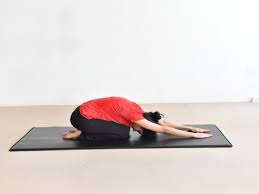
Introduction to Shashankasan

Shashankasana, also known as the Hare Pose or Moon Pose, is a yoga asana that involves kneeling and forward bending. The name "Shashankasana" is derived from the Sanskrit words "Shashanka," which means "moon," and "asana," which means "pose" or "posture."

Here's how to practice Shashankasana:

1. Start by sitting in Vajrasana (Thunderbolt Pose), which involves kneeling on the floor with your knees together and sitting on your heels. Keep your spine straight and rest your hands on your thighs.

2. Take a deep breath in and as you exhale, slowly bend forward from your hips, allowing your torso to rest on your thighs. Your forehead should come close to or touch the ground.

3. If your forehead doesn't reach the ground, you can place a bolster, folded blanket, or pillow in front of you and rest your forehead on it for support.

4. Extend your arms forward on the ground, keeping them parallel to each other. Alternatively, you can also bring your arms back alongside your body with your palms facing up.


5. Close your eyes and relax your entire body. Breathe deeply and evenly, focusing on the sensation of stretching and releasing tension in your back, neck, and shoulders.

6. Stay in this pose for about 5 to 10 deep breaths, or as long as feels comfortable for you. You can gradually increase the duration as you become more accustomed to the pose.

7. To release the pose, slowly raise your torso back up, coming back to the upright kneeling position. Take a moment to sit quietly and observe the effects of the asana on your body and mind.

Shashankasana provides several benefits, including:

1. Stretches and relaxes the spine, back muscles, and neck.
2. Relieves tension and stiffness in the upper back, shoulders, and neck.
3. Calms the mind and promotes mental relaxation.
4. Helps reduce anxiety, stress, and fatigue.
5. Stimulates digestion and aids in relieving digestive issues.
6. Improves blood circulation and oxygenation in the body.
7. Enhances focus, concentration, and clarity of thought.

As with any yoga practice, it's essential to listen to your body and work within your comfort level. If you have any pre-existing medical conditions or injuries, it's advisable to consult a qualified yoga instructor or healthcare professional before attempting new poses like Shashankasana.

Benefits of Dhanurasana

Dhanurasana, or Bow Pose, offers numerous benefits for the body, mind, and overall well-being. Here are some of the key benefits of practicing Dhanurasana:

1. Stretches and strengthens the back: Dhanurasana is an excellent backbend that stretches and strengthens the entire length of the spine, including the muscles of the lower back. It helps to improve spinal flexibility, correct posture, and alleviate back pain.

2. Opens the chest and shoulders: As you lift your chest and draw your shoulder blades together in Dhanurasana, it expands the chest and stretches the front of the shoulders. This can improve breathing capacity, counteract the effects of hunching, and enhance overall posture.

3. Stimulates the abdominal organs: The pressure created on the abdomen during Dhanurasana helps to massage the abdominal organs, including the liver, kidneys, and pancreas. This can improve digestion, stimulate the digestive fire, and promote detoxification.

4. Tones the legs and buttocks: While in the pose, the muscles of the thighs and buttocks are actively engaged, leading to strengthening and toning of these areas. It can help to improve leg strength, stability, and overall lower body muscle tone.


5. Enhances flexibility: Dhanurasana stretches and opens up various areas of the body, including the chest, shoulders, abdomen, hip flexors, and thighs. Regular practice can lead to increased flexibility and range of motion in these areas.

6. Improves posture and alignment: By strengthening the back muscles and opening the chest, Dhanurasana promotes better posture and spinal alignment. It can help counteract the effects of prolonged sitting and poor posture habits.

7. Boosts energy and relieves fatigue: The backbend nature of Dhanurasana can provide an energizing effect, stimulating the nervous system and relieving fatigue. It is a beneficial pose to practice when feeling lethargic or low on energy.

8. Calms the mind and reduces stress: Backbends are known to have an invigorating and uplifting effect on the mind. Dhanurasana can help to reduce stress, anxiety, and mild depression, promoting a sense of well-being and mental clarity.

It's important to approach Dhanurasana mindfully, listen to your body, and practice under the guidance of a qualified yoga instructor, especially if you are a beginner or have any specific health concerns.

Top 20 Profitable Agribusiness Startup Ideas in India 2025 - Complete Entrepreneurship Guide

Image: Modern Agriculture & Agribusiness Opportunities in India 🌾 India's agriculture sector contributes over 18% to G...

Popular Blogs